Soltar
Soltar is an embodied interaction system that blends a wearable, haptic cues, and adaptive music to unlock emotional release through dance. For solo or group use, it eases social anxiety, strengthens body awareness, and syncs people through shared rhythm.
Dance spaces can feel intimidating, limiting expression. People often lack guidance to align movement and emotion, and many can't reach events. Soltar needed a portable, safe, and social experience that works anywhere, indoors or outdoors.
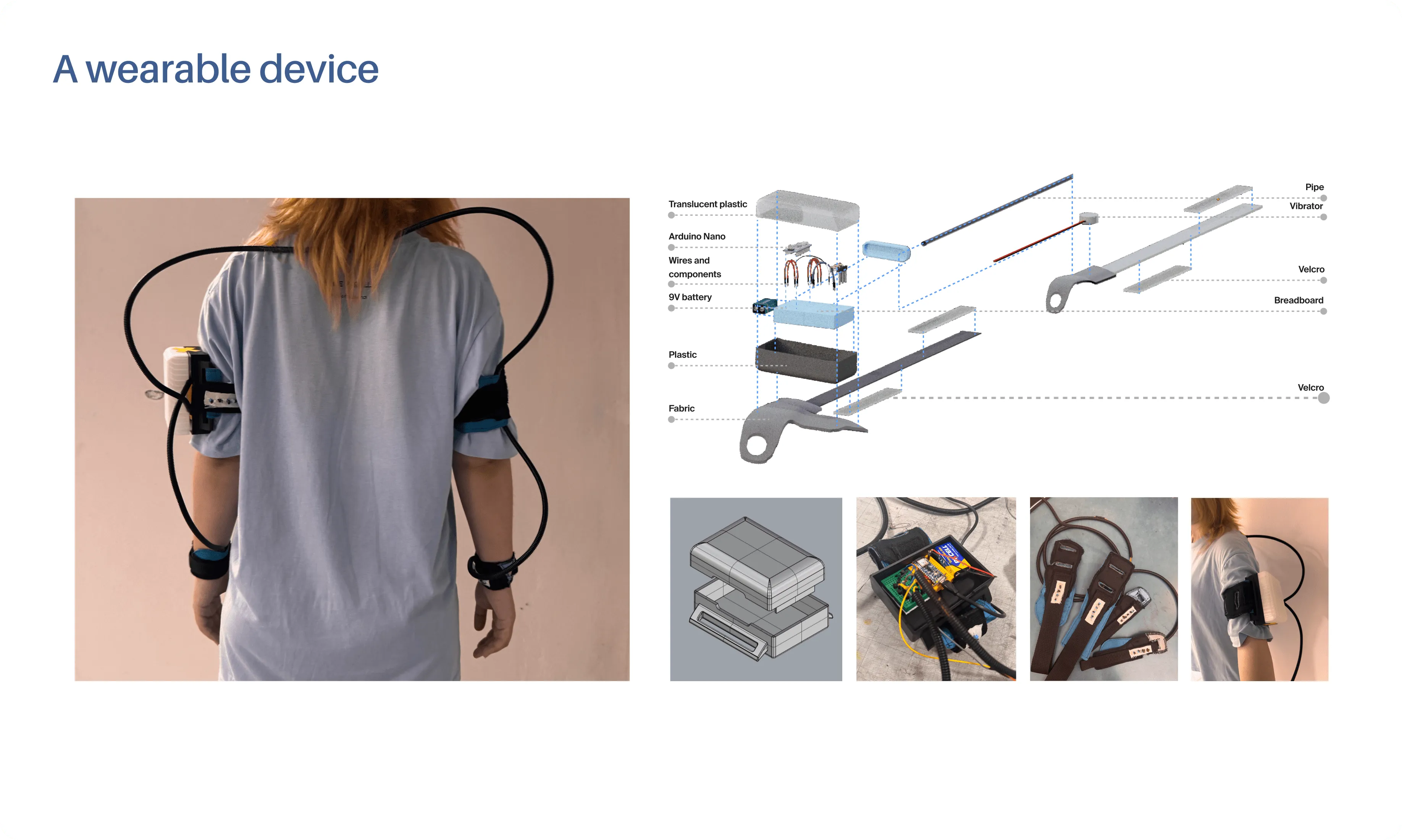
We designed a wearable linked to an app that uses vibration motors, IMU sensors, and adaptive music to guide movement in real time. Haptics build body awareness while the app tunes music and vibrations to intensity and goals. Prototyped with 30+ participants; supports solo or group modes with a minimal UI and mood‑based playlists.
I developed the Arduino firmware powering the wearable, handling everything from motion sensor input to vibration motor output, and implemented the Bluetooth communication between the two boards for seamless wireless interaction across both arms. I also contributed to the research phase, helped define the motion design, and led the UI usability testing sessions.
4 months
2025
Overview

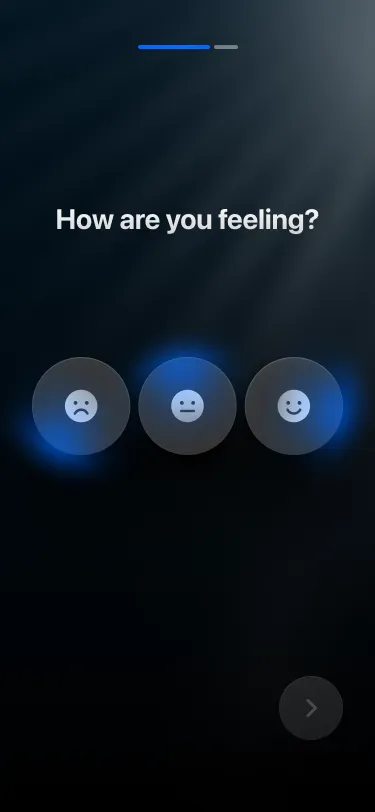
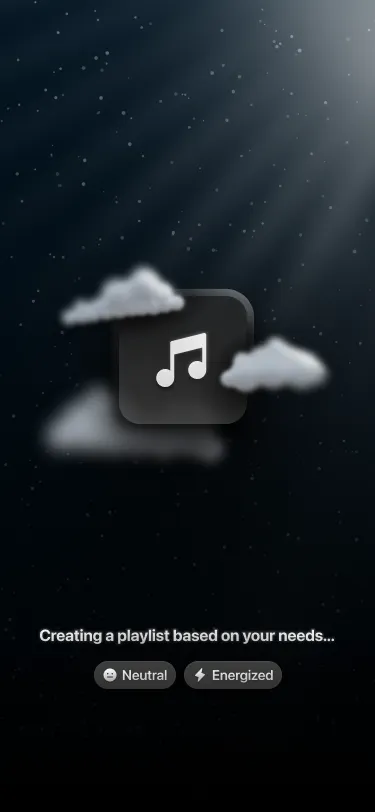
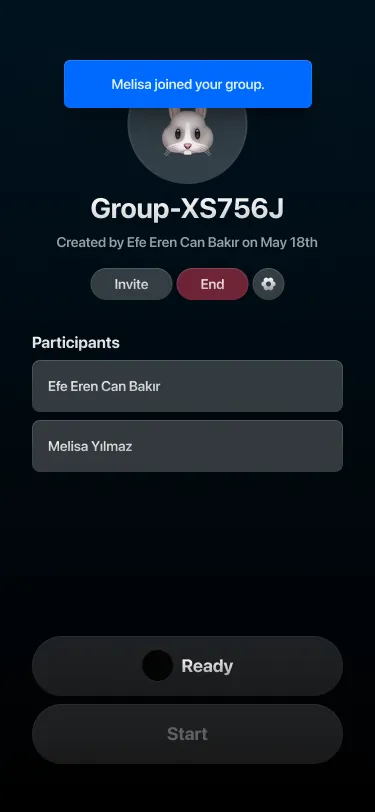
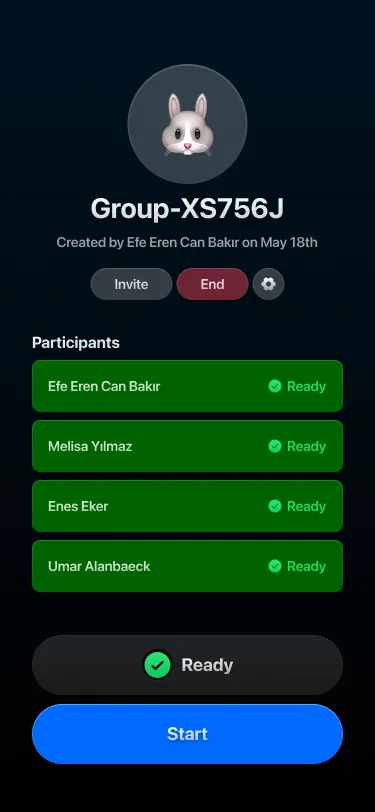
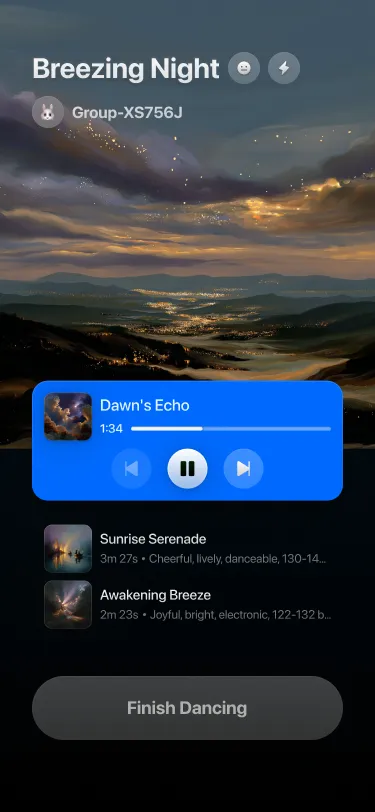
The app, designed to support emotional release and social connection, is kept minimalistic and intuitive. It's done to support social gathering to dance and create playlists based on the mood of the group.
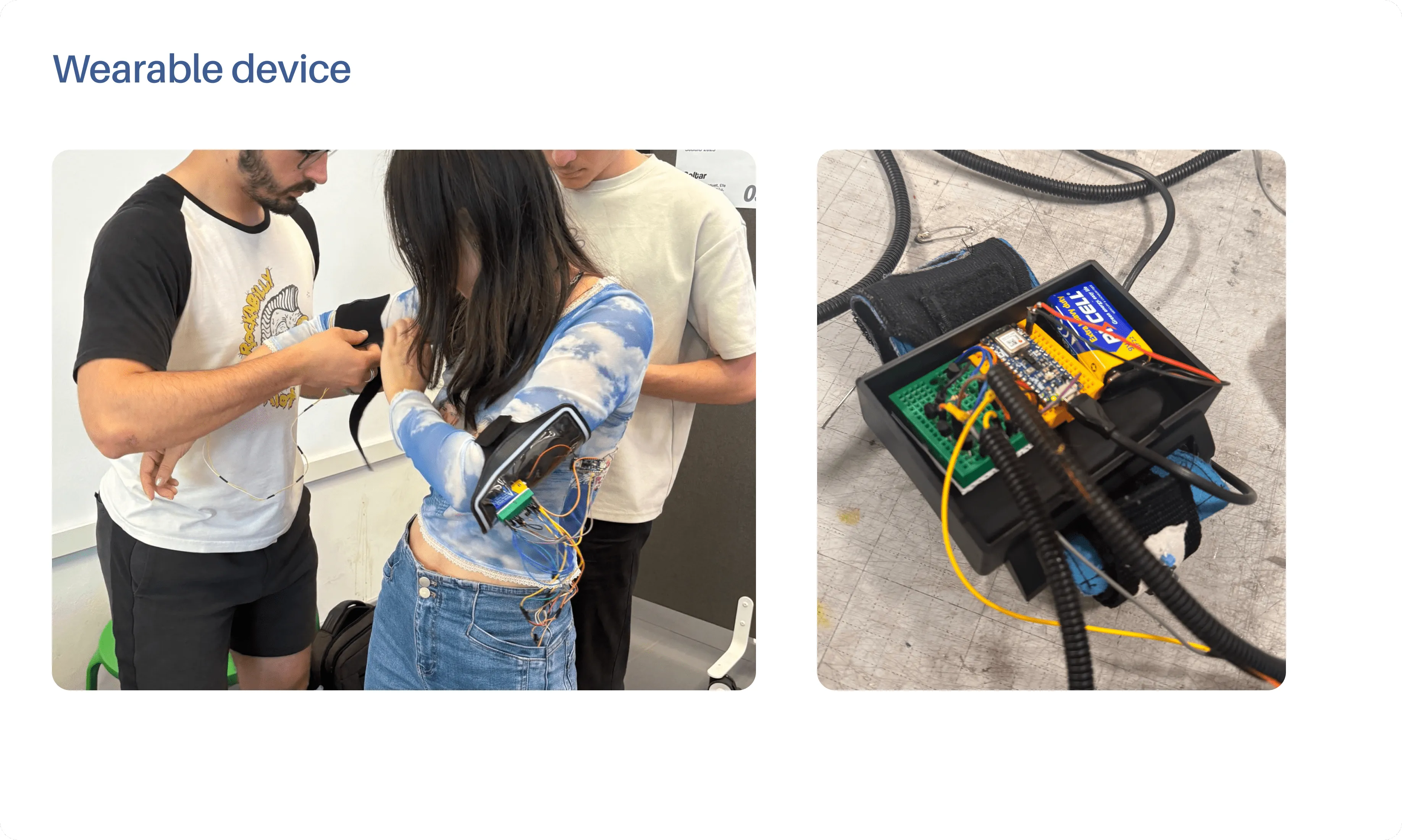
The Soltar wearable is a lightweight, body-mounted device. Worn on the upper arms and wrists, it delivers real-time vibration patterns that adapt to movement intensity, supporting rhythm and flow. Built from flexible fabric with secure fastenings and a compact electronics module, it ensures comfort, stability, and freedom of motion. Iterative testing refined motor placement, vibration strength, and cable layout, resulting in a perceptible, stable, and comfortable design for both solo and group dance.
The research
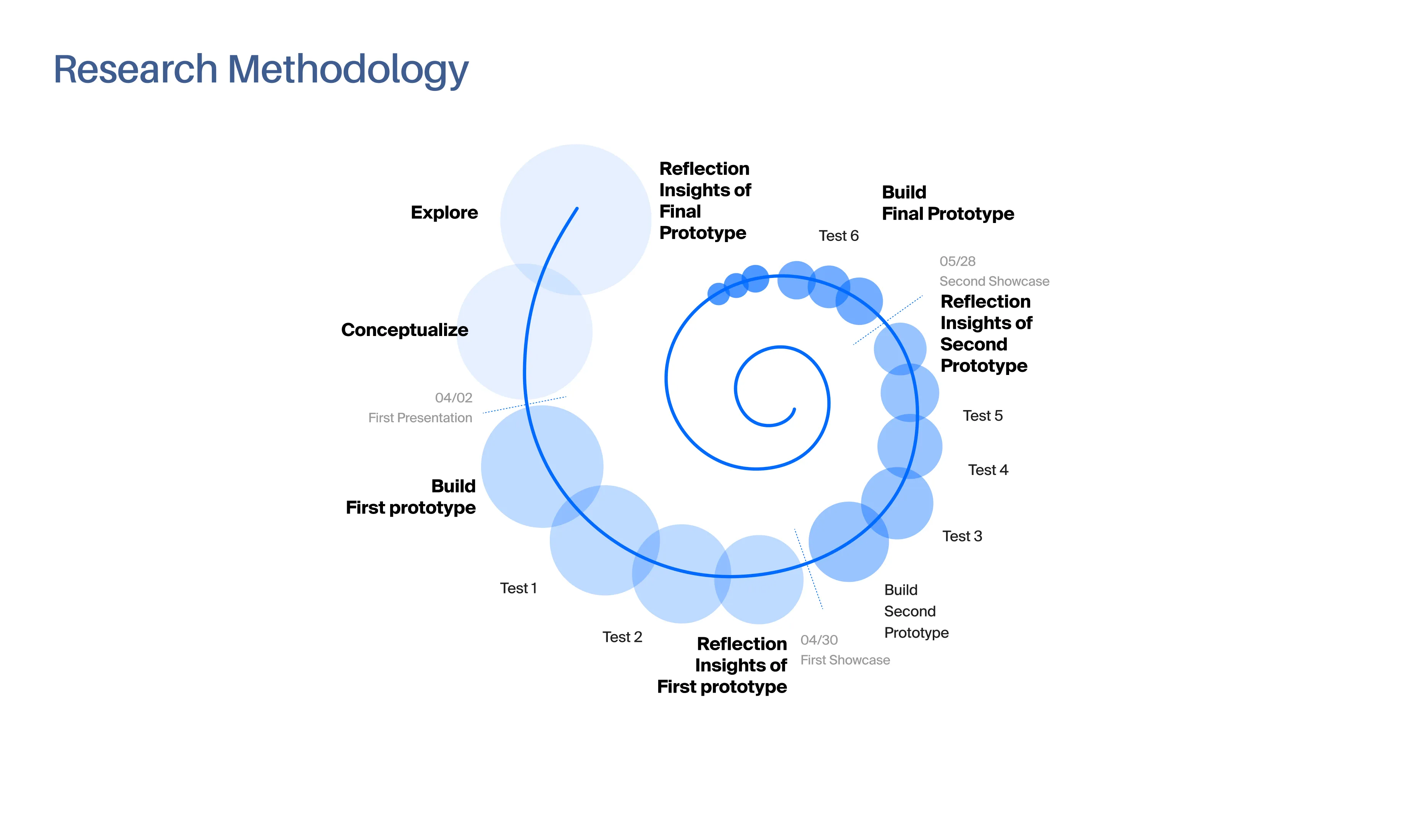
The development of Soltar was grounded in extensive exploratory research on the emotional and social dynamics of dance.
Over 30 participants took part in iterative prototype testing across seven dimensions vibration placement, haptic patterns, IMU positioning, music adaptation, wearable comfort, UI clarity, and group experience.
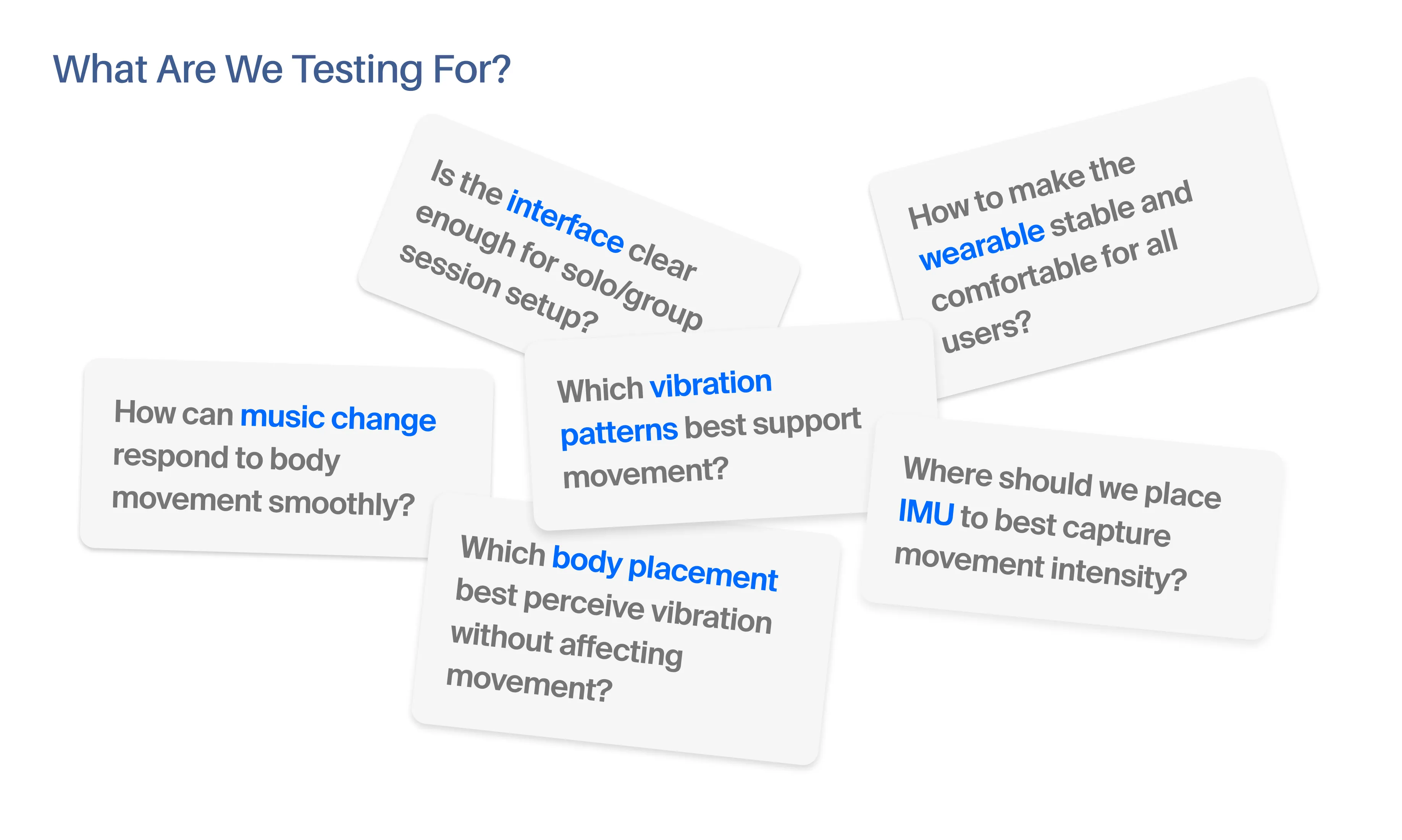
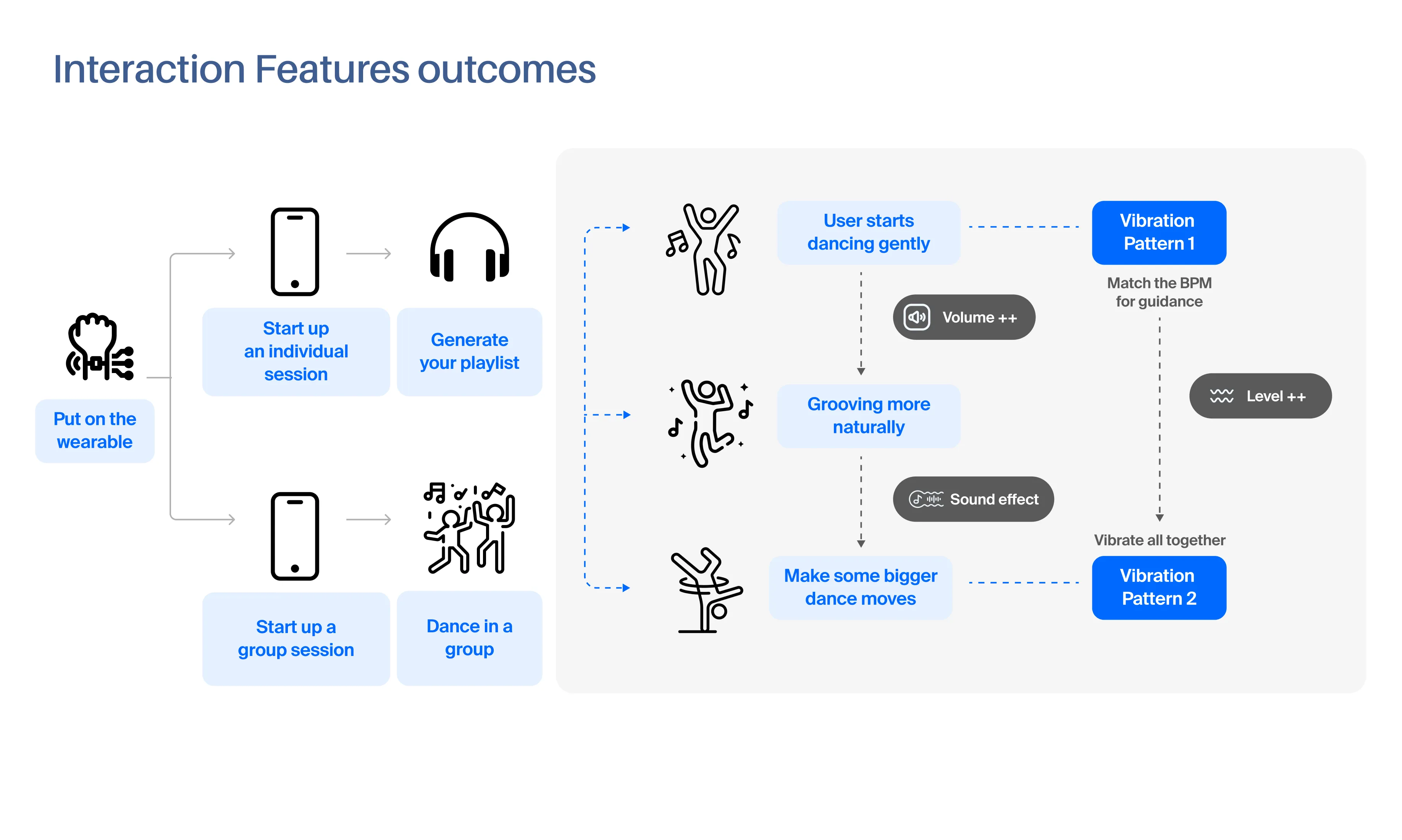
Our research allowed us to create a user flow supported by calibrated haptic feedback and adaptive music patterns. Iterative testing validated the system's effectiveness in facilitating bodily expression, reducing social anxiety, and creating connections through synchronized movement.
Project conceived and realized with Aranza Villarreal, Efe Eren Can Bakir, Kexin Ma, Sherif Rateb, Yifan Lu at Politecnico di Milano.